The Challenge
The OEM's existing charger spec was a compromise. Each site problem — service tuning, field-service cabling, mains quality, and component-level repair — was being handled separately by different parts of the organisation, with different stop-gap solutions, and none of them landed in the next platform refresh.
Service tuning needed a wired interface and a panel removal every time a charge curve changed. Field-service techs carried adapter cables on every visit. On dirty job sites, mains came in with voltage spikes and brown-outs that occasionally took out the front-end of the charger. And when one capacitor or one fan failed, the standard repair path was a whole-charger swap because the internal layout didn't support module-level replacement.
The OEM didn't want four point fixes. It wanted one charger spec that closed all four loops at once, so the platform refresh could ship with a single charger family.
The Solution
Alternative Track took the requirements as a single custom-spec build on the ALT-1700RC.
TREKon Bluetooth tuning. Charge profiles, output limits, and the algorithm library are reachable from a phone. The standard service-tuning workflow no longer requires the access panel to be opened, the cable to be carried, or the seal to be re-tested after every adjustment.
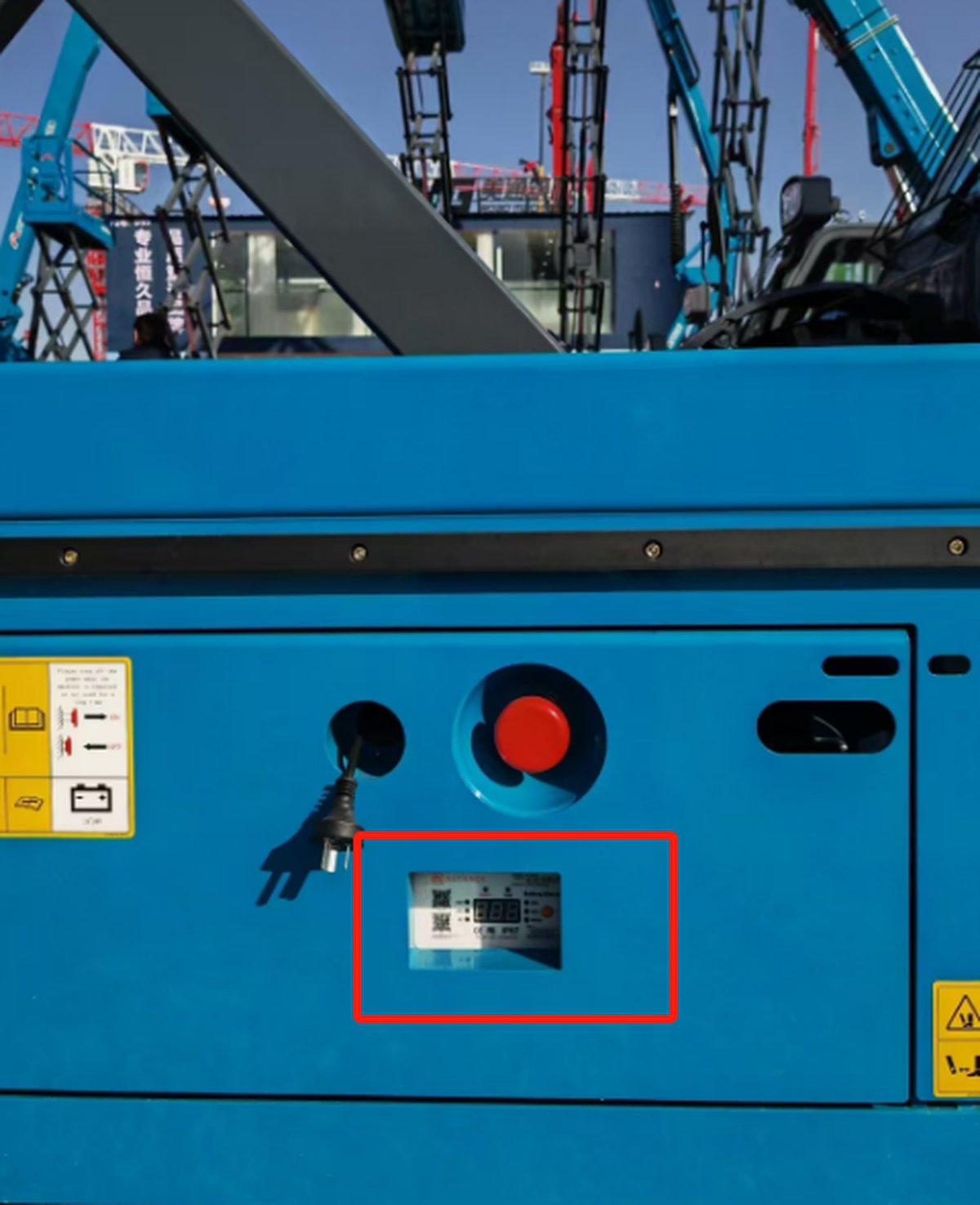
Pluggable I/O cabling. The AC input and DC output land on connector-keyed harnesses instead of permanent terminations. Battery swaps on the rental fleet take less time, field-service replacement is a no-tools operation, and the cabling failure modes (chafe, pull-out, wrong-terminal) are designed out.
400V wide-input protection. The front-end tolerates the voltage spikes and brown-outs that come with construction-site mains, instead of relying on whatever surge protection the site happens to have. The component-failure rate associated with mains quality dropped to background noise.
Modular internal architecture. The power stage, control board, and cooling fan are field-replaceable as separate modules. When something fails — usually a fan after enough dust-loading — the repair is a module swap on site, not a whole-charger return.
Deployment
The custom ALT-1700RC went through extended field validation on the OEM's own machines before series adoption. Vibration, dust, voltage, and service workflow were all tested against the OEM's standard MEWP duty profile. The unit is now factory-fitted on the OEM's standard platform line.
The Result
The OEM ships one charger model on the platform instead of multiple. Service techs carry one workflow for charge-curve adjustments instead of a tool-and-cable kit. Field service replaces modules instead of whole chargers when something fails on site.
The compromises in the previous spec disappeared into the build. The OEM didn't add four service procedures — it removed three.